Table of Contents
Livingston County Courts, MI *

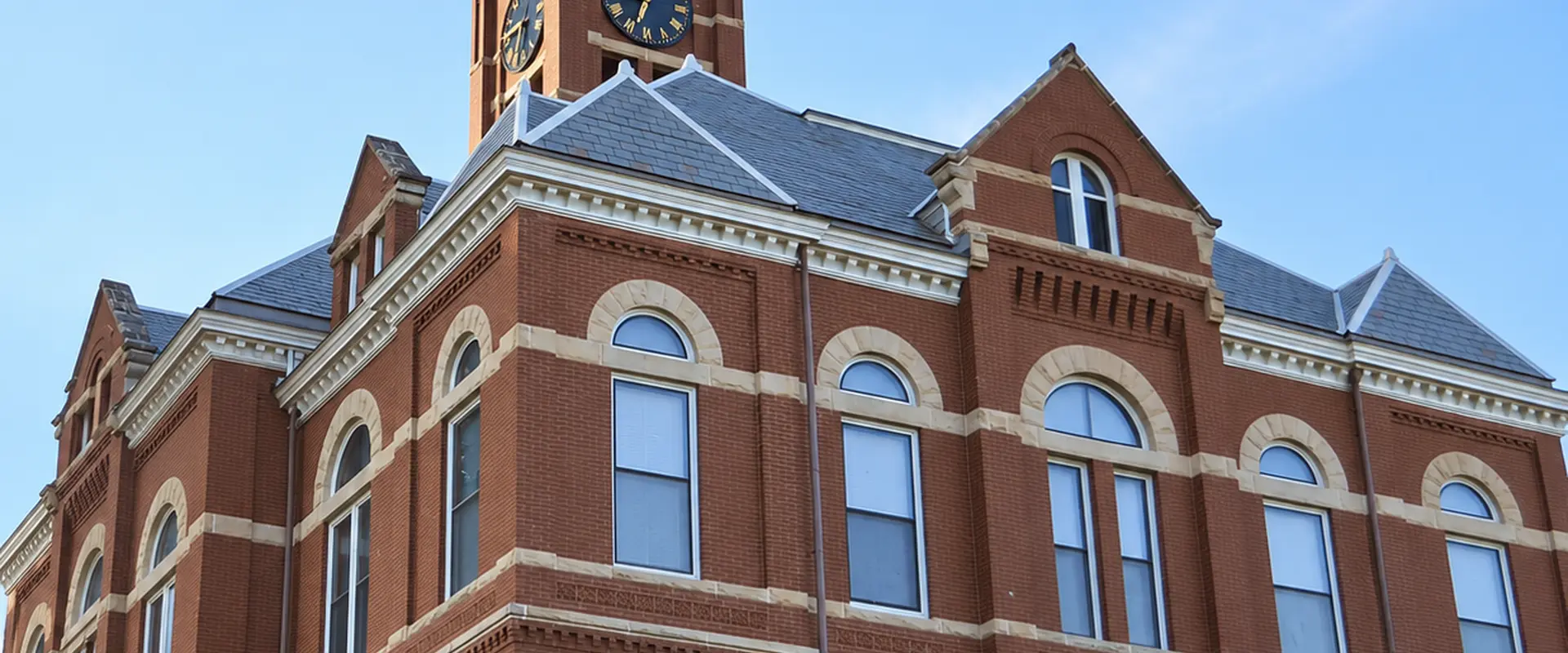
Livingston County sits between Lansing and Detroit in southeastern Michigan, with a population of over 210,000 residents and Howell as the county seat. It is one of Michigan's fastest-growing counties, attracting families and businesses from surrounding metro areas with consistent growth in legal activity in civil, criminal, family, and estate issues. All three courts in the county operate out of a single judicial building in Howell known as the Howell Judicial Center, which is home to all three of the county's courts.
How to Access Livingston County Court Records

 Online Access
There are three separate online search tools in Livingston County, each for a different court. Circuit Court records are accessible from the county's own court records validation system. District Court records are searchable from MiCOURT Case Search, and Probate Court records are also accessible from MiCOURT Case Search. Probate Court cases prior to 2004 are not found online and are subject to direct contact with the Probate Court. Full legal name or case number and approximate filing date can increase accuracy in all three systems.
 Alternative Online Options
There are three different courts, and each one has a specific record system; it may be necessary to search more than one portal to locate a specific case. When the appropriate Court and type of case are not known, a search of CourtCaseFinder can be helpful since it combines public records from several sources.
 In-Person Requests
Records for the Circuit Court are maintained by the County Clerk in the Howell Judicial Center. Records are kept for the District Court and the Probate Court in the same location. The clerk's offices are open Monday through Friday from 8:00 a.m. to 5:00 p.m., with paperwork processed until 4:45 p.m.
 Archived Records
The County Clerk's office has court records starting from 1867, and older records not yet digitized are held at the County Clerk's office. The Howell Area Historical Society is a local repository for historical county records, while the State of Michigan Archives contains records that have been removed from local control. Additionally, FamilySearch offers free online digitized Michigan probate records back to 1797 that may be a good place to begin research on older estates.
Overview of the Livingston County Court System

The Michigan Supreme Court is the head of the Michigan Judicial Branch, which includes all Michigan courts. The Michigan Court of Appeals hears cases from the trial courts throughout the state. The majority of the residents encounter the system in the trial courts.
Livingston County has three courts: the 44th Circuit Court, the 53rd District Court, and the Livingston County Probate Court, all located in the Howell Judicial Center. The county has four specialty court programs as well, and its court system is more robust than that of many counties of similar size.
Types of Courts in Livingston County, Michigan
 Circuit Court
The 44th Circuit Court is the general jurisdiction trial court that hears the county's most serious civil and criminal cases. It is housed at the Howell Judicial Center and has a Family Division, which has jurisdiction over all domestic relations and juvenile cases, and a Juvenile Unit, which has jurisdiction over child protection and juvenile justice cases under the Michigan Juvenile Code.
Primary Location: Howell Judicial Center, Howell
Jurisdiction includes:
- Felony criminal cases
- Civil cases over $25,000 in damages
- Divorce, child custody, child support, and parenting time (Family Division)
- Juvenile delinquency and child protective proceedings (Juvenile Unit)
- Personal protection orders and name changes
- Appeals from the District Court and state administrative agencies
 District Court
The Howell Judicial Center is also the location of the 53rd District Court, which is the most diverse in terms of the day-to-day cases heard in the county. It handles misdemeanor criminal cases, civil cases that fall within its jurisdiction, traffic fines, and small claims. The 53rd District Court even conducts marriages in an unusual offering for a Michigan district court.
Primary Location: Howell Judicial Center, Howell
Jurisdiction includes:
- Misdemeanor criminal cases
- Civil cases up to $25,000
- Small claims cases up to $6,500 (no attorneys or juries)
- Landlord-tenant and land contract matters
- Traffic citations and civil infractions
- Preliminary examinations in felony cases
 Probate Court
The Probate Court operates at the Howell Judicial Center and follows the Michigan Mental Health Code and the Estates and Protected Individuals Code (EPIC). MiFILE electronic filing is being implemented for the Probate Court. The court has jurisdiction over general estate and guardianship proceedings as well as some less familiar proceedings such as unpublicized marriage, late registration of foreign birth, and drain appeals.
Primary Location: Howell Judicial Center, Howell
Cases include:
- Wills and administration of decedent estates
- Trusts and trust administration
- Guardianships and conservatorships for adults, minors, and developmentally disabled individuals
- Mental health commitment proceedings
- Unpublicized marriages and delayed birth registration
Specialty Courts
Livingston County has four specialty court programs (one of the most extensive of any Michigan county of the same size).
- The Adult Drug Court is an integrated approach to the treatment and case planning of eligible nonviolent offenders who have substance use disorders and will receive ongoing court supervision. Participants must live in the county and must be vetted through the defense and prosecutor's office for admission.
- The Intensive Treatment Mental Health Court (IT Court) is a program that provides a treatment alternative for justice-involved individuals with serious mental illness.
- The Veterans Treatment Court uses coordinated treatment and veteran-specific services to work with justice-involved veterans to address underlying issues that may have led to criminal charges.
- The Swift and Sure Sanctions Probation Program (SSSPP) is an intensive probation program that embraces the idea that swift, proportionate, and consistent sanctions for probation violations have greater results than traditional probation.
How to File a Case in Livingston County

All three of the courts in the Howell Judicial Center have the same address, but each has its own procedures and clerk's office. Getting it right from the beginning by filing in the right place will help to keep a case on track. Only forms approved by the SCAO will be accepted, and completed paperwork is processed more quickly than paperwork that needs to be corrected.
Step 1: Choose the Correct Court
The Circuit Court handles civil cases involving more than $25,000 and felony cases. The Family Division involves divorce, custody, and juvenile issues. The Probate Court is responsible for estates, guardianships, mental health cases, and trusts. The District Court handles misdemeanor offenses, traffic tickets, civil cases of less than $25,000, and small claims of less than $6,500. People who have a drug abuse, mental health, or veteran status problem might be eligible for a specialty court program. Anyone unsure which court applies should contact the County Clerk before filing.
 Step 2: Complete Required Forms
Michigan courts require forms approved by the State Court Administrative Office (SCAO). Michigan Legal Help offers free advice and assistance in locating the proper forms. The Howell Carnegie District Library in Howell and the Cromaine Library in Hartland also have lawyers who will help self-represented filers in person at their Library Legal Self-Help Centers.
 Step 3: File the Case
All cases are filed with the clerk of the appropriate court at the Howell Judicial Center. Attorneys e-file with MiFILE. Self-represented parties may also use MiFILE, although they are not required to; they can file in person. All tracking and future hearings should be done with the case number.
 Step 4: Pay Filing Fees
The fee will depend on the type of case and the court in which it is filed. Those unable to afford costs may submit an Affidavit and Order/Suspension of Fees and Costs accompanied by documentation of financial need. The case must get court approval before it can proceed.
 Step 5: Serve the Other Party
The case cannot proceed until the opposing party has been formally served. Service shall be made by personal service, by certified mail, or by other means provided by the Michigan Court Rules. The petitioner cannot serve the other party. Proof of service must be filed with the court, and a copy retained.
 Step 6: Monitor the Case
The court records validation system is used to track Circuit Court cases. MiCOURT is used to track cases in District Court and Probate Court. Schedules of hearings are posted on the Livingston County courts page. Court dates can change, so parties should verify each date before an appearance to avoid missing court proceedings.
Livingston County Howell Judicial Center Directory
Howell Judicial Center (44th Circuit Court, 53rd District Court, Probate Court)
Howell
Address: 204 S. Highlander Way, Howell, MI 48843
Phone: (517) 546-8079
Website: Livingston County Courts
Legal Help and Self-Help Resources
Legal Services of South Central Michigan is the main source of free civil legal help in Livingston County and helps low-income people, families, and seniors with housing, family law, public benefits, and elder law. The Legal Self-Help Center is located in two Library buildings, Howell Carnegie District Library and the Cromaine Library in Hartland, and provides free in-person advice and information for self-represented parties. LACASA is a service provider that offers a full range of services to survivors of domestic violence, sexual assault, and child abuse in the county, including legal advocacy and assistance with personal protection orders. Anyone charged with a crime who cannot afford to hire a lawyer may be eligible for a court-appointed attorney through the indigent defense program. Michigan Legal Help provides free forms, tools, and guides on civil issues throughout Michigan.
FAQs
Are court records public in Livingston County?
The Michigan Freedom of Information Act requires that most types of court records, such as criminal cases, civil filings, traffic actions, and probate records, be available to the public. Exceptions include juvenile proceedings, sealed documents, and mental health cases. Records of Circuit Court cases can be searched on the county's online validation system, records of District and Probate Court cases can be searched on MiCOURT, and all records can be viewed at the Howell Judicial Center. CourtCaseFinder combines public records from various sources into a single search for cases involving many types and jurisdictions.
What are the specialty courts in Livingston County?
Livingston County has four specialty courts in operation: the Adult Drug Court, which serves nonviolent offenders with substance use disorders; the IT Court, which serves individuals with serious mental illness; the Veterans Treatment Court, for justice-involved veterans; and the Swift and Sure Sanctions Probation Program, for intensive probation supervision. Both will need court authorization, and defendants should determine eligibility with the assistance of a defense attorney. Details are on the specialty courts page.
How does probate work in Livingston County?
The Probate Court handles estates, guardianships, conservatorships, trusts, and EPIC and Michigan Mental Health Code mental health commitments. Prior to 2004, the probate cases were not available online and had to be obtained by calling the Probate Court. The Legal Self-Help Center can offer complimentary directions concerning the probate initiation process.
Does the 53rd District Court perform weddings?
Yes. This is a rare service among Michigan district courts. The 53rd District Court provides civil marriage ceremonies by appointment. Couples desiring to have their ceremony at the District Court should call the District Court directly to discuss the requirements and the time for the ceremony.
What should residents know about court-related scams in Livingston County?
Livingston County has issued a public warning regarding calls and text messages that appear to be from law enforcement agencies, stating that there are outstanding arrest warrants. Courts never call or message the public to ask for payment due on warrants. Anyone receiving such contact should not provide personal information and can verify the warrant status through the court's official contact information on the county website.
Other Counties in Michigan
- Alcona
- Alger
- Allegan
- Alpena
- Antrim
- Arenac
- Baraga
- Barry
- Bay
- Benzie
- Berrien
- Branch
- Calhoun
- Cass
- Charlevoix
- Cheboygan
- Chippewa
- Clare
- Clinton
- Crawford
- Delta
- Dickinson
- Eaton
- Emmet
- Genesee
- Gladwin
- Gogebic
- Grand Traverse
- Gratiot
- Hillsdale
- Houghton
- Huron
- Ingham
- Ionia
- Iosco
- Iron
- Isabella
- Jackson
- Kalamazoo
- Kalkaska
- Kent
- Keweenaw
- Lake
- Lapeer
- Leelanau
- Lenawee
- Luce
- Mackinac
- Macomb
- Manistee
- Marquette
- Mason
- Mecosta
- Menominee
- Midland
- Missaukee
- Monroe
- Montcalm
- Montmorency
- Muskegon
- Newaygo
- Oakland
- Oceana
- Ogemaw
- Ontonagon
- Osceola
- Oscoda
- Otsego
- Ottawa
- Presque Isle
- Roscommon
- Saginaw
- Saint Clair
- Saint Joseph
- Sanilac
- Schoolcraft
- Shiawassee
- Tuscola
- Van Buren
- Washtenaw
- Wayne
- Wexford
Table of Contents
